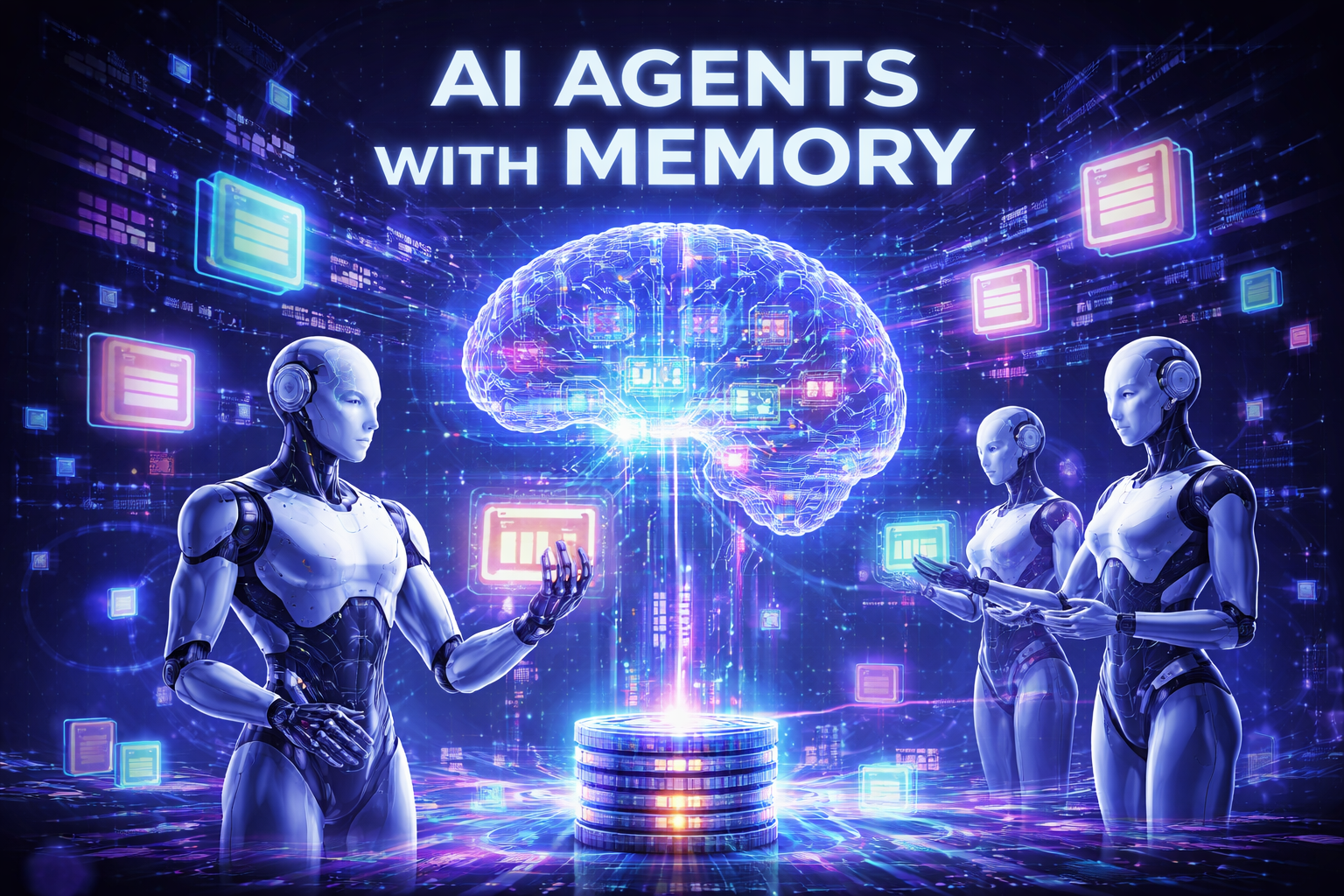
AI Agents with Memory: The End of Stateless Chatbots and the Rise of Persistent Intelligence
Every conversation starts from zero. You explain your problem, your preferences, your context -- again and again. But what if your AI assistant remembered? Not just facts, but the nuance of how you work, how you think, what you've already tried? That's the shift happening right now.

For years, AI chatbots have been stateless. Each interaction is a blank slate. You ask a question, get an answer, and the context evaporates. This architectural limitation has shaped everything about how businesses deploy AI -- treating it as a query engine rather than a collaborative partner.
That is changing. Fast.
Meta's Project Bonsai, OpenAI's memory features, and a wave of next-generation AI platforms are introducing persistent memory across conversations. This isn't an incremental improvement. It's a categorical shift from transactional tools to relationship-based systems that learn, adapt, and anticipate.
The implications for customer experience, sales automation, and knowledge work are profound. Businesses that understand this shift early will build AI-native workflows that feel magical. Those that don't will be stuck managing increasingly expensive context windows, watching their AI investments plateau while competitors accelerate.
From Stateless to Stateful: What Changes
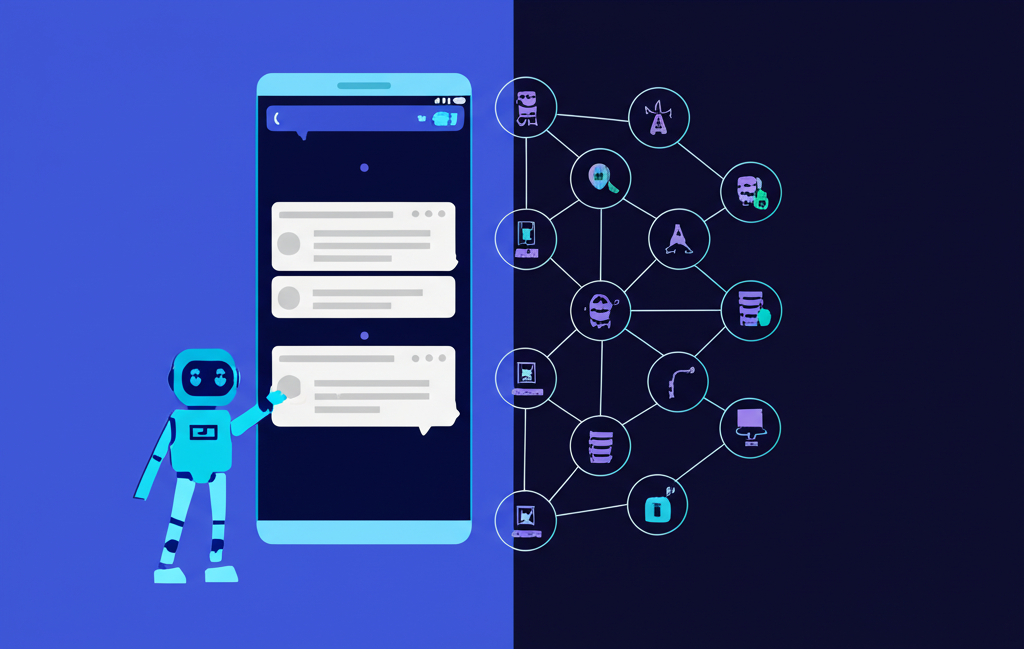
The difference between stateless and stateful AI is the difference between a stranger and a colleague.
Stateless AI (Current Standard):
- Each conversation is isolated -- no memory of previous interactions
- Context must be re-established every time ("As I mentioned before...")
- Personalization requires external databases and complex prompt engineering
- User experience feels repetitive and impersonal
Stateful AI (Emerging Standard):
- Conversations build on previous context automatically
- Preferences, workflows, and history persist across sessions
- AI anticipates needs based on past behavior patterns
- Relationship deepens over time, increasing value per interaction
This isn't just about convenience. Stateful AI changes the economics of automation. A stateless sales bot can answer questions. A stateful sales agent can manage relationships -- remembering objections from last quarter, tracking evolving requirements, and surfacing relevant case studies without being asked.
The Technical Reality: How AI Memory Works
AI memory isn't magic. It's architecture. Understanding the mechanics helps businesses evaluate solutions and design implementations that actually work.
Vector Memory Stores:
Conversations are embedded into vector databases, enabling semantic retrieval. The AI doesn't just remember what you said -- it understands the meaning and can surface relevant context when needed. This is how Meta's Business AI maintains continuity across WhatsApp conversations that might span weeks.
Structured Memory Layers:
Beyond raw conversation logs, advanced systems maintain structured profiles -- user preferences, project status, decision history. This structured layer enables proactive assistance. The AI knows you prefer Slack over email, that the Q3 budget was approved, that you've already ruled out three vendor options.
Episodic vs. Semantic Memory:
Episodic memory stores specific interactions ("On Tuesday, you asked about API rate limits"). Semantic memory extracts general knowledge ("This user works with high-volume data pipelines"). The combination enables both precise recall and intelligent generalization.
Business Applications: Where Memory Changes Everything

Sales and Customer Success:
A stateful AI sales agent doesn't just qualify leads -- it nurtures them. It remembers that Sarah from Acme Corp mentioned budget constraints in January, that she prefers technical deep-dives over high-level overviews, that her team is evaluating competitors. When she returns three months later, the conversation continues seamlessly. The close rate on re-engaged leads improves dramatically when the AI remembers the full context of previous interactions.
Customer Support:
Stop making customers repeat themselves. Stateful support agents know the customer's history -- previous tickets, product version, known issues, satisfaction scores. The interaction starts with "I see you had a deployment issue last week. Is this related?" instead of "Please describe your problem." First-contact resolution rates jump when context persists.
Knowledge Work and Research:
Research assistants that remember your project context, your hypotheses, the papers you've already reviewed. Writing assistants that understand your voice, your audience, the style guide violations you've corrected before. The productivity multiplier compounds over time as the AI learns your specific workflows.
Healthcare and Professional Services:
Patient history without the chart review. Legal case context without the brief. Financial planning that remembers life changes discussed in previous sessions. The trust and efficiency gains are substantial when the AI maintains continuity across what might be months or years of interactions.
The Implementation Challenge: What Can Go Wrong
Stateful AI isn't automatically better. Poor implementation creates new problems.
Memory Pollution:
AI systems can accumulate incorrect assumptions, outdated information, or biased patterns. Without careful memory management, errors compound. A sales agent that remembers a prospect's "budget constraints" might miss that those constraints were resolved six months ago.
Privacy and Compliance:
Persistent memory creates new data retention challenges. GDPR's right to be forgotten requires memory deletion capabilities. Healthcare applications need HIPAA-compliant memory stores. Financial services face audit requirements for decision trails. Memory architecture must be designed with compliance from the start.
Context Collapse:
Too much memory can be as problematic as too little. AI systems that surface irrelevant historical context create noise. Smart memory systems need retrieval mechanisms that understand what's relevant now, not just what happened before.
Preparing Your Business for Stateful AI
The transition won't happen overnight, but preparation starts now.
Audit Your Current AI Touchpoints:
Map where customers and employees interact with AI. Identify the friction points caused by statelessness. These are your priority opportunities for memory-enabled upgrades.
Evaluate Platform Capabilities:
Not all "AI with memory" is equal. Test how platforms handle context retrieval, memory updates, and privacy controls. The implementation details determine whether the experience feels magical or creepy.
Design for Memory from Day One:
If you're building AI-native products, architect for statefulness. The businesses that get this right will have compounding advantages as their AI systems accumulate years of organizational knowledge.
Plan the Human Handoff:
Stateful AI doesn't eliminate the need for human judgment. Design escalation paths where AI memory transfers seamlessly to human agents. The handoff should feel like passing a baton, not starting a new race.
The Bottom Line
Stateless AI was the training wheels phase. Stateful AI is where the technology becomes genuinely useful for complex, ongoing work.
The businesses that master this transition will operate with what feels like institutional memory -- every customer interaction building on the last, every employee benefiting from accumulated organizational knowledge, every decision informed by historical context.
The ones that don't will find their AI investments hitting a ceiling. They'll be managing increasingly complex prompt engineering to simulate what memory provides natively, watching competitors deliver experiences they can't match.
The shift from stateless to stateful isn't coming. It's here. The question is whether your business will lead or follow.
About Versalence: We help businesses architect AI systems that compound in value over time. If you're exploring stateful AI implementations, let's talk.