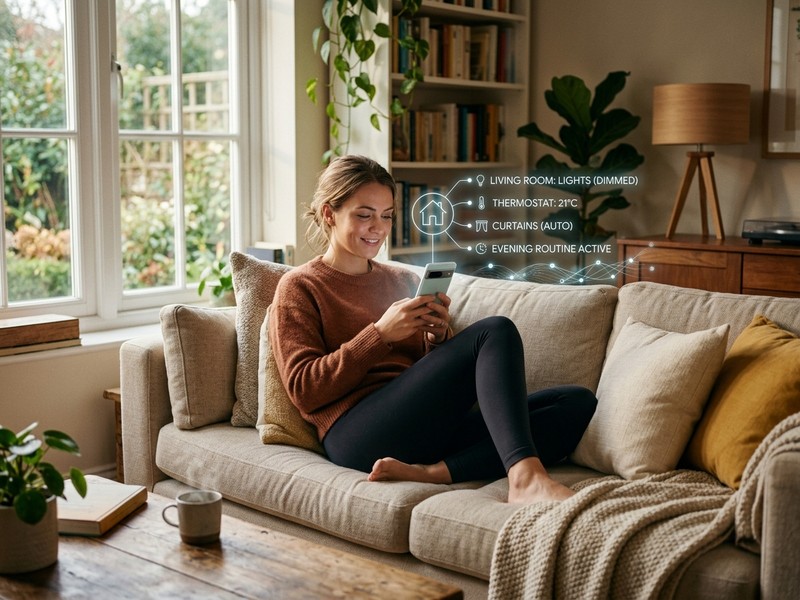
The OpenClaw You Didn't Know You Needed: Three Personal Use Cases Nobody Talks About
Everyone shows you the business automations. The lead scraping. The email campaigns. The social media scheduling. These are fine if you run a marketing agency. They're useless if you just want a better life.
Here are three ways people are actually using OpenClaw — not to make money, but to reclaim time, reduce friction, and think more clearly.
The Family Logistics Coordinator
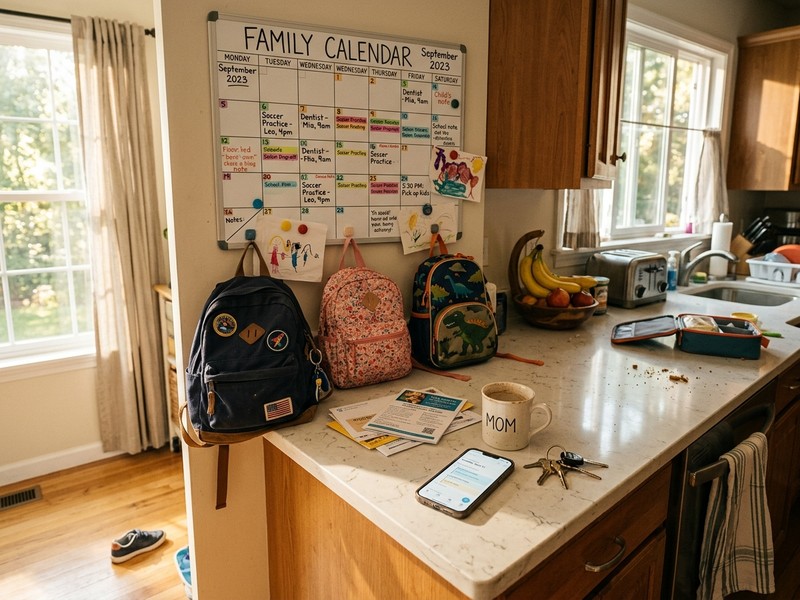
Sarah has three kids, two jobs, and one brain that refuses to remember which kid has soccer on Thursdays. Her OpenClaw agent connects to:
- The school district's calendar feed
- Her husband's work calendar
- The kids' sports team WhatsApp groups
- The family grocery delivery account
Every Sunday evening, the agent sends her a message: "This week: Alex has a dentist appointment Tuesday at 4. Soccer practice moved to Wednesday due to rain. You're low on milk and breakfast cereal. Should I add these to the cart?"
When Alex's coach messages the team group about a schedule change, the agent catches it, updates Sarah's calendar, and checks for conflicts with her husband's late meeting. If there's a collision, it suggests: "Alex's soccer moved to 5pm Tuesday. You're at the dentist until 4:30. Want me to ask Mark if he can pick up, or reschedule the dentist?"
The agent doesn't just track information. It holds the mental model of the family's logistics so Sarah doesn't have to. The cognitive load of remembering who needs to be where — that's what gets automated. Not the emails. The thinking.
The Personal Health Guardian
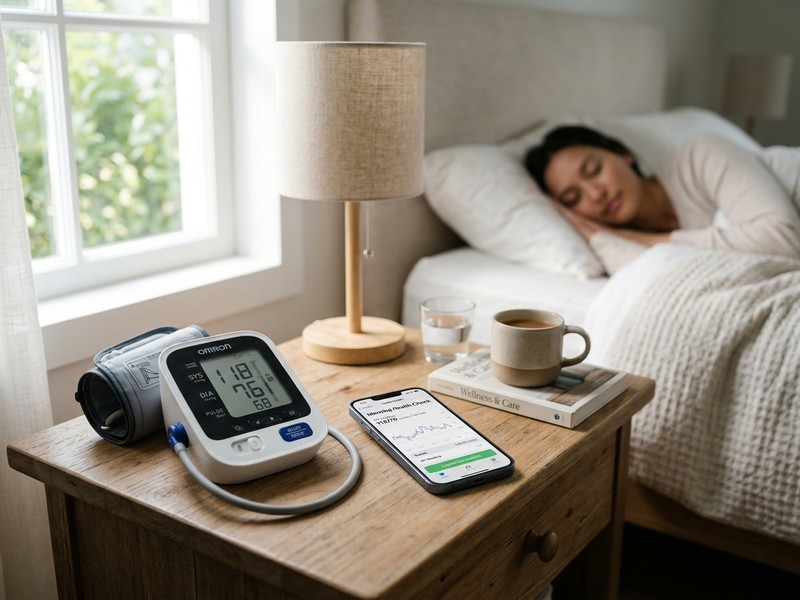
David has hypertension. It's controlled with medication, but he's supposed to track his blood pressure daily, watch his sodium, and note any symptoms. He never does. The notebook is empty. The apps are unopened.
His OpenClaw agent connects to:
- His blood pressure monitor (Bluetooth)
- His pharmacy's refill system
- His calendar (to know when he's traveling or stressed)
- His food logging app
Every morning at 8am: "Good morning. Take your BP reading when you're ready. I'll wait." He measures, the reading syncs automatically. If it's elevated, the agent asks: "You had three cups of coffee yesterday and a stressful meeting. Also, you're due for a refill in three days. Should I order it now?"
After a month, the agent notices a pattern: "Your BP runs 10-15 points higher on Sunday nights and Monday mornings. This correlates with your Sunday evening anxiety about the work week. Want to try a different Sunday routine?"
The agent becomes a health collaborator — noticing patterns David wouldn't see, reminding him before he forgets, connecting dots across data silos. It's not medical advice. It's memory and pattern recognition for someone who has better things to do than track spreadsheets.
The Creative Collaborator

Maya is a product manager who writes. She has a newsletter, a dormant blog, and a folder of half-finished essays. Her problem isn't writing — it's thinking. She has ideas at inconvenient times and forgets them. She gets stuck on structure. She needs someone to bounce ideas off, but her friends are tired of hearing about her newsletter.
Her OpenClaw agent has one job: be her thinking partner.
When she sends a voice message at 11pm: "I keep thinking about how software estimation is really about managing uncertainty, not predicting time..." the agent responds: "Interesting. You wrote about this in March, but focused on team dynamics. This feels more philosophical. Want me to find that old draft and summarize the difference?"
When she's stuck on an essay, she sends her outline. The agent asks questions: "You say estimation fails because people confuse precision with accuracy. Can you give a concrete example where this happened to you?" It doesn't write for her. It probes her thinking until she finds what she's trying to say.
The agent maintains a growing database of her ideas, her abandoned drafts, her influences. When she mentions a concept, it surfaces connections: "This reminds me of the thing you said about documentation in January. Also, you bookmarked an article about bridge engineering that might be a useful metaphor."
It's not an editor. It's externalized memory with a conversational interface. The cognitive benefit isn't automation — it's amplification. Maya thinks better because she has a system that remembers everything she forgot she knew.
What These Have in Common
None of these use cases generate revenue. None scale. None impress investors. They're just... better ways to live.
The family logistics coordinator reduces the ambient stress of modern parenting. The health guardian catches problems before they become emergencies. The creative collaborator makes thinking feel less lonely.
This is what OpenClaw is actually good at: holding context that humans can't hold, noticing patterns that humans miss, and being available at the moments when a human assistant would be impractical or intrusive.
The business automations are fine. But this — this is why people fall in love with their agents.
Work With Versalence
We deploy OpenClaw for personal and business use cases. Whether you need family logistics, health monitoring, creative workflows, or something we haven't thought of yet — we design and deploy custom OpenClaw configurations.
📧 versalence.ai/contact.html | sales@versalence.ai